Continuous discovery
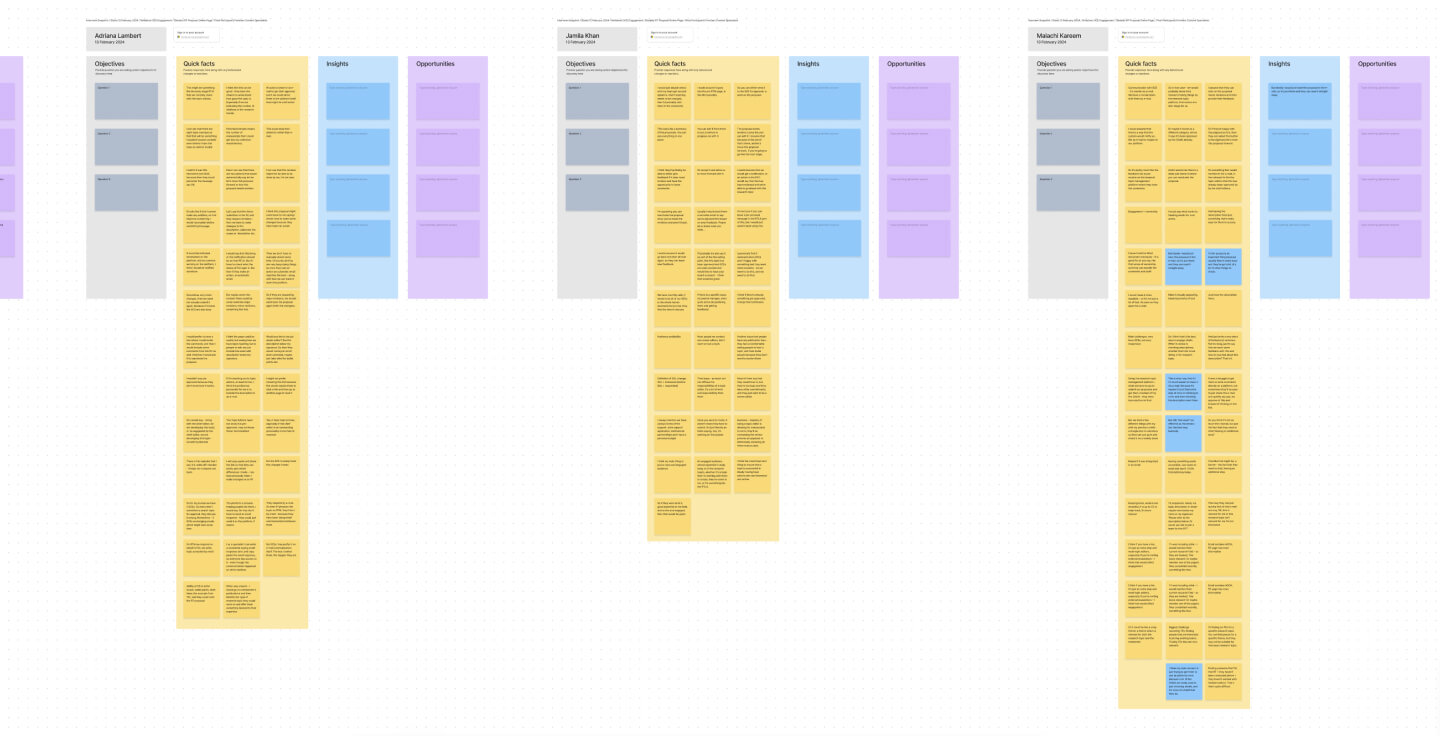
Conducting user discovery and interviews, capturing findings to identify pain points, and gathering insights to identify opportunities that guide product development.
Continuous growth and development
Collaboration and trust. Seeking support, inspiration, and wisdom from colleagues: Reaching out is not a sign of weakness or a limit of one's capabilities, it demonstrates willingness to use the resources available to create the best possible outcomes.
Trusted partner. Extending partnership and influence to stakeholders and the development team: Interaction, inclusion, and partnership introduces more perspectives, establishes feasibility early on, and leads to quicker iterations, and better design and deliverables.
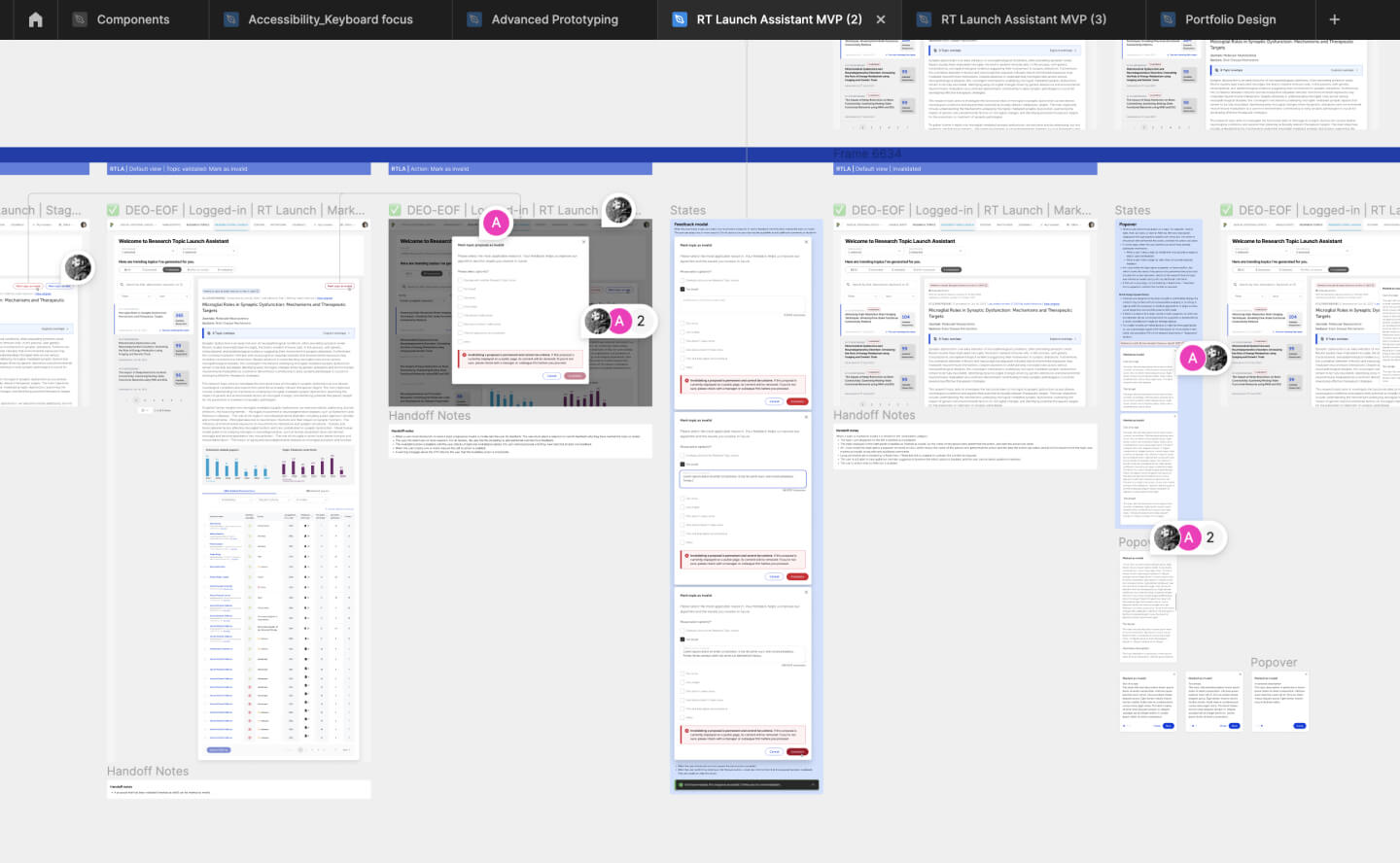
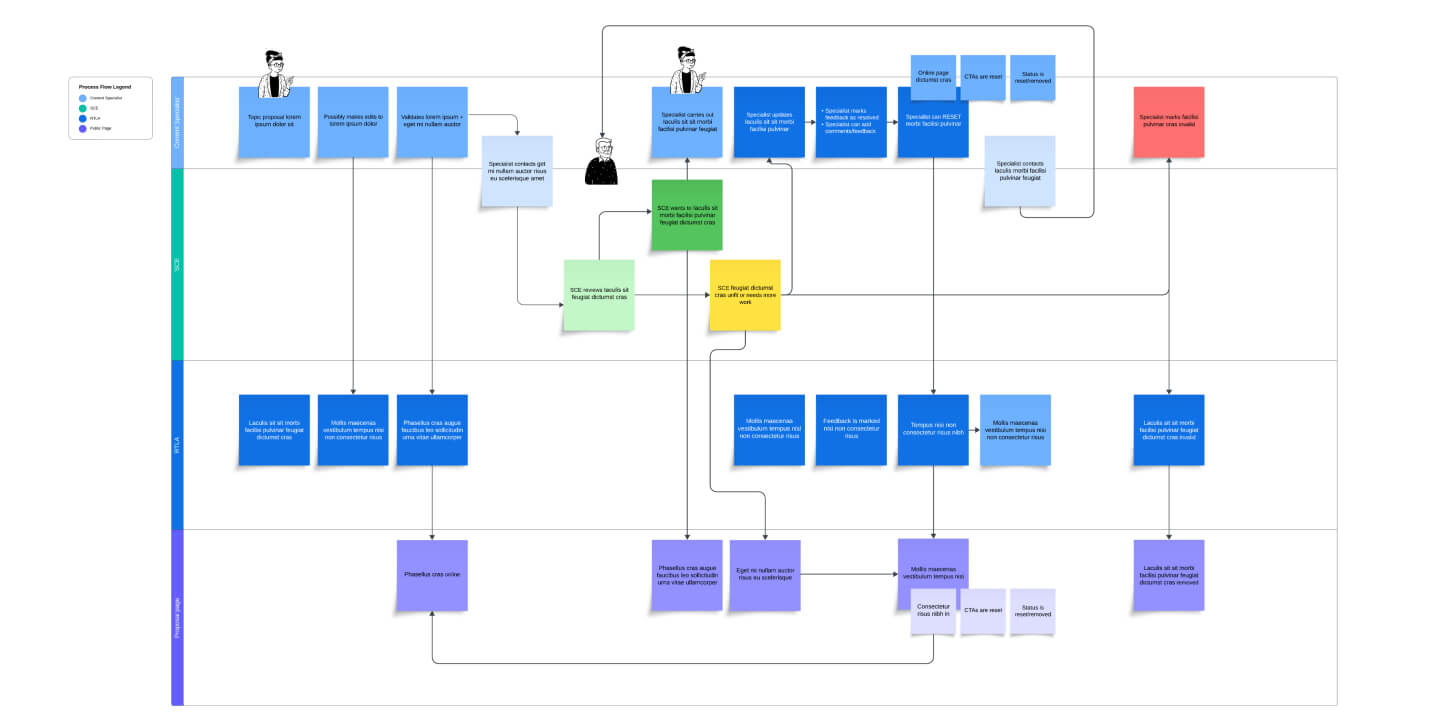
UX design. Designing user experiences, not just screens and interfaces: Good screen and process design is important, what happens between screens and drives a user to perform an action also is.
Product work. Participating in design and implementation of an MVP, data collection and iterative evaluation to fuel and guide decisions, and team collaboration to design, build, and implement iterative rollout to a growing user base.
User Centred champion. Designing products for users: Speaking the user's voice and enabling the team to get to know and develop empathy for users so that everybody cares about creating the best possible experience. Seeing people succeed wins hearts and encourages team investment in better user experience.
Design decisions. There are many ways to design a solution, highlighting different advantages by dealing with limitations in different ways. It is the designer's job to make an informed choice and help others understand and accept it.
Principles. Setting a framework to explain design choices or decisions: Principles enable everybody to objectively follow reasoning, and change discussion around a choice to a sound argument for it. Principles enable you to challenge design decisions, including your own, earning greater authority over time.